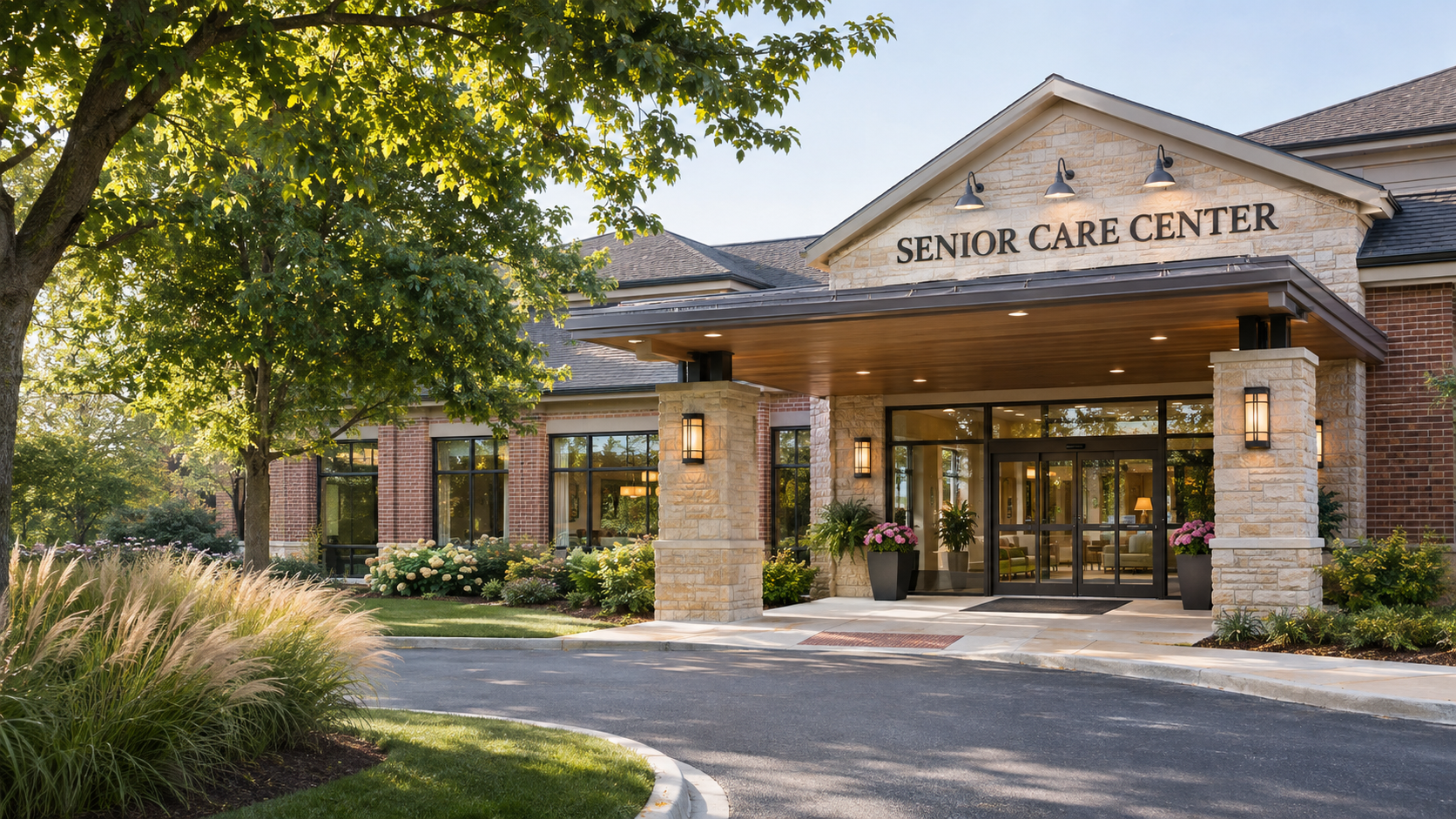
Residents expect reliable Wi-Fi. Families expect transparency. Staff need systems that work during fast-moving care shifts. We build the technology environment that supports all three, without demanding constant attention from your team.
The Challenge
Senior living communities operate at the intersection of residential expectation and clinical responsibility. Residents and families expect the same reliable connectivity they have at home. Staff need systems that do not slow them down during care delivery. Operators need technology that runs in the background without demanding constant attention. When any of these fails, the people who notice most are the ones you are there to serve.
Unreliable resident Wi-Fi that generates complaints from families, creates barriers for residents staying connected to loved ones, and leaves staff unable to access care systems on the floor
Access control gaps in memory care wings, medication rooms, and building entry points that create safety risk, audit findings, and liability exposure for the community
Communication systems that do not integrate with overhead paging and nurse call, requiring staff to manage multiple disconnected tools during shifts when every second of response time matters
Data security vulnerabilities in environments holding resident health information, financial records, and care documentation that require real protection but rarely receive consistent attention
Inconsistent technology across a multi-community portfolio with no standardized baseline, making it harder to manage, support, and scale operations as the organization grows
How We Help
Axis Point Advisors helps senior living operators build a technology environment that supports residents, empowers staff, and keeps communities compliant. We come in as your advisor, not a vendor, and we stay accountable from assessment through execution. We access 400+ technology partners with no preference in outcome, so the solution we recommend is built around your community's specific environment and your portfolio's operational goals.
Enterprise-grade wireless designed for the density and layout of senior living environments, covering every resident room, care wing, and common area reliably. No dead zones, no dropped connections during care documentation, no complaints from families trying to video call.
Layered access management for memory care wings, medication rooms, and building entry points. Designed to keep residents safe and staff movement fast, with audit trails that satisfy state survey requirements and liability reviews.
Modern unified communications that integrate with nurse call systems so alerts route directly to staff devices, improve response times, and reduce overhead paging noise across resident areas. Covers internal communication, family engagement, and emergency notification.
Security programs built around resident records, care documentation, and financial information. For communities subject to HIPAA, we build the HIPAA-aligned architecture. For all communities, we build the security posture that protects residents and operators from the breach exposure that senior living data creates.
For regional and national operators, we develop standardized technology baselines that apply consistently across your portfolio, making operations easier to manage, reducing per-community support costs, and creating a predictable onboarding process when new communities are added.
Results That Matter
Resident Wi-Fi that works reliably in every room and common area, no complaints from families, no connectivity workarounds for care staff during documentation
Access control systems that keep memory care residents safe, satisfy state survey requirements, and generate audit trails without creating daily friction for staff
Staff communication that integrates with nurse call, reduces response time, and eliminates the overhead paging noise that disrupts residents during evenings and nights
Resident and care data protected under a documented security program, reducing breach exposure and satisfying regulatory requirements where HIPAA applies
Consistent technology standards across every community in a regional or national portfolio, managed from one policy rather than community by community
Technology that runs in the background and demands nothing from your care team's attention during shift
Also in Healthcare
Senior living communities have residential density in a care environment. That means enterprise-grade Wi-Fi that covers every resident room and care wing, access control layered for memory care units and medication areas, nurse call systems integrated with staff communication, and security programs that protect resident health records. The mix of residential expectation and clinical obligation is what makes the technology environment distinct from a typical office or hospitality setting.
Regional and national operators often end up with inconsistent technology across their portfolio, especially when communities were acquired over time. We develop a standardized technology baseline that applies across every community: same Wi-Fi standards, same access control policy, same security baseline. This reduces support costs, simplifies management from a central operations team, and makes onboarding new communities faster and more predictable.
It depends on the services offered. Assisted living and memory care communities that provide healthcare services and handle protected health information as a covered entity or business associate fall under HIPAA. Skilled nursing facilities are generally HIPAA-covered. Independent living communities without health services typically are not. We help operators understand where HIPAA applies in their portfolio and build the appropriate protections in those areas.
Memory care requires layered access control that keeps residents safe without creating friction for staff during fast-paced care delivery. We design systems that restrict resident egress from secure wings while keeping staff movement fast and auditable, and that integrate with the broader building access management system. We also plan for alarm fatigue, which is a real operational problem in memory care environments with poorly calibrated door systems.
Yes. Modern UCaaS platforms can integrate with nurse call systems so alerts route directly to the right staff member's device rather than relying on overhead announcements alone. We help communities evaluate, select, and implement communication platforms that improve staff response time and reduce overhead paging noise across resident areas.
Whether you operate a single community or a regional portfolio, we build technology that keeps residents safe, staff effective, and operators confident. Start with a free technology assessment.